

































































































Medsintez Plant: The Flagship of Russia's Pharmaceutical Security

More than twenty years ago, the Regiony Rossii (Regions of Russia, RR) magazine witnessed the birth of an innovative pharmaceutical production facility in Novouralsk, which had no analogues in the country. Today, the Medsintez Plant is a strategic asset in terms of national pharmaceutical security, a recognized industry leader, a National Champion, and a winner of prestigious awards. The secret behind the success of the Ural school of pharmaceuticals and biotechnology is explored in this article by RR.
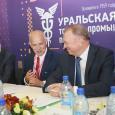
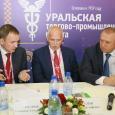
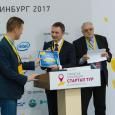
The current year has been truly triumphant for Medsintez Plant LLC. Recently, the Urals' leading pharmaceutical company won the annual Number One award for Ural industrialists and entrepreneurs in the Chemical Industry category. This prestigious award – established by the Sverdlovsk Regional Union of Industrialists and Entrepreneurs and the Ural Chamber of Commerce and Industry, with support from the Government of the Sverdlovsk Region – was presented for outstanding achievements in developing high-tech pharmaceutical production, implementing unique innovative technologies, and executing the national import substitution strategy. Alexander Petrov, Chairman of the Board of Directors of Medsintez Plant LLC, was handed over the honorary award statuette.
«With this annual award, we recognize companies that have made a significant contribution to the development of the regional economy and the well-being of the Ural people,» emphasized Denis Vladimirovich Pasler, Governor of the Sverdlovsk Region, during the award ceremony.
The Ural people are justifiably proud that one of the cutting-edge pharmaceutical companies in Russia, which utilizes world-class technologies, operates in the Sverdlovsk Region. Founded in 2003, the Medsintez Plant has made an impressive way from a local manufacturer to a strategic company of federal importance. Since 2020, the plant has been included in the list of Russia's backbone companies while demonstrating high growth rates and implementing developments in the field of import substitution. In 2025, the plant was awarded the status of National Champion confirming its leadership in the industry. This status is awarded based on the results of an expert review, which evaluates the financial stability, innovation and contribution of the company to the economy.
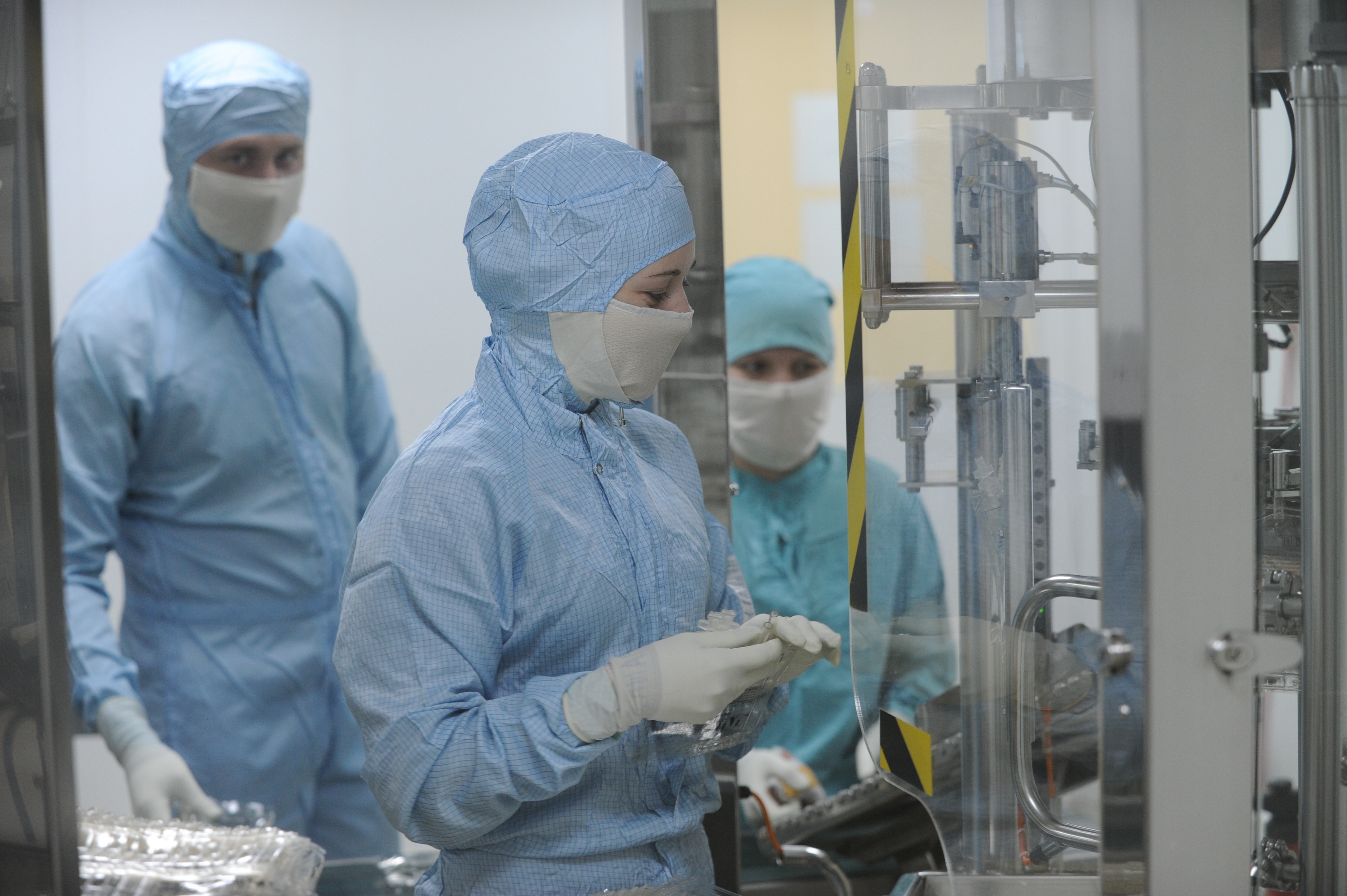
Today, the company boasts a highly qualified staff of over 600 employees. The key success factors include an availability of in-house R&D center and state-of-the-art quality control laboratories, as well as company team's deep expertise in organizing production in accordance with international standards of Good Manufacturing Practice (GMP). Thanks to a well-tuned development strategy implemented by Alexander Petrov’s team, the plant is capable of annually producing up to 1 billion capsules and tablets, and 24 million containers of infusion solutions, as well as covering up to 100% of the Russian market demand for vital insulin and follicle-stimulating hormone (FSH) medications. And this is far from a complete list of the plant's products.
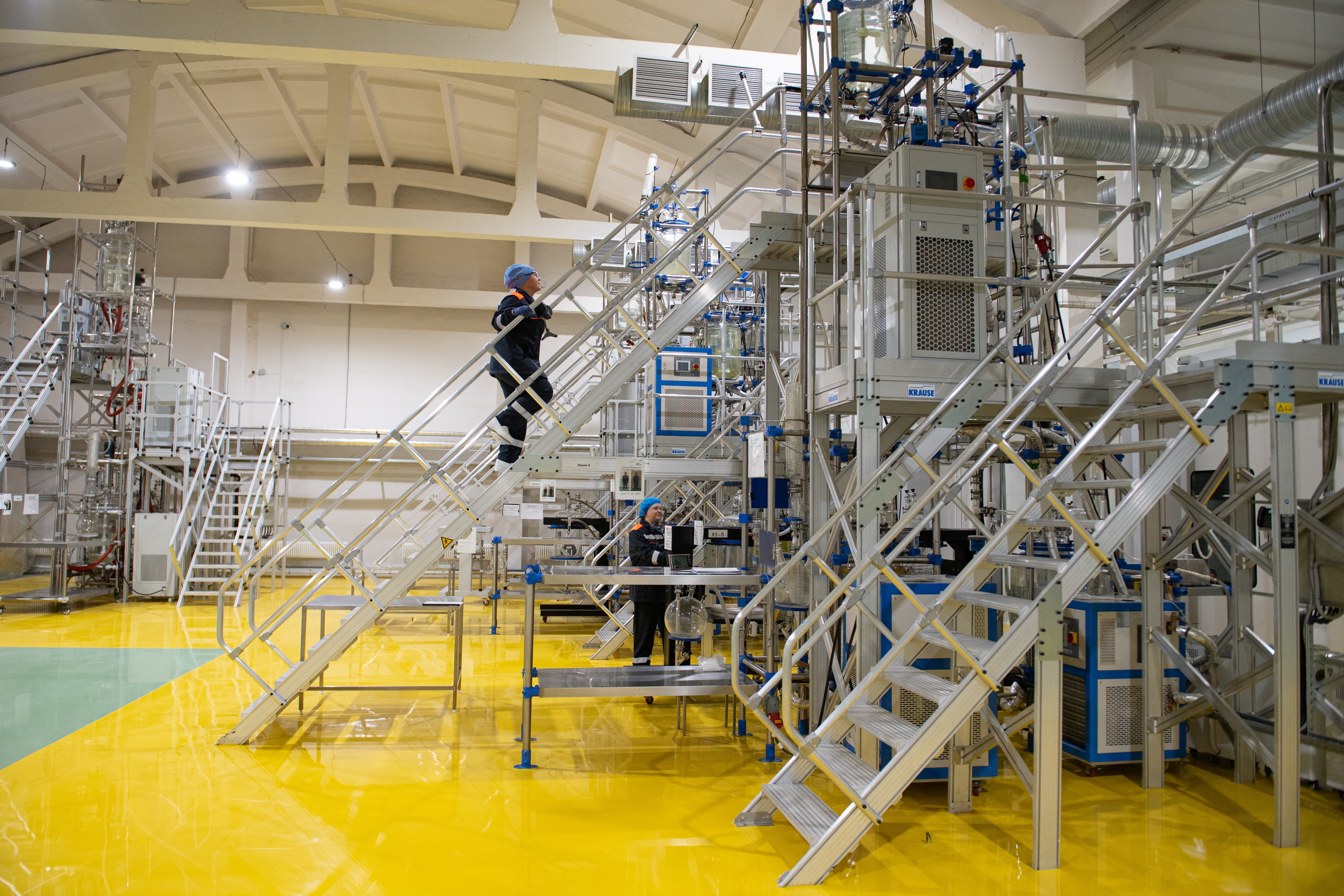
It is worth noting that the company's strategy focuses on the development and production of active pharmaceutical ingredients (APIs) and finished dosage forms based on state-of-the-art technology platforms. Research activities involve not only the plant's staff but also leading research teams from the institutes of the Russian Academy of Sciences, the Federal Medical-Biological Agency, Sechenov University, and the Ural Federal University. The company's unique R&D foundation is built upon three primary technology platforms.
The first is organic synthesis technology platform designed to create complex organic molecules. This platform served as the basis for the world's first synthesis of the novel antiviral drug molecule Triazavirin, developed through collaborative efforts by scientists from the Ural Polytechnic Institute, the I. Ya. Postovsky Institute of Organic Synthesis of the Ural Branch of the Russian Academy of Sciences (RAS), and the WHO National Influenza Centre in Russia (the Smorodintsev Research Institute of Influenza of the Ministry of Health of the Russian Federation). Triazavirin became one of the most effective drugs for coronavirus infection, literally saving the country during the COVID-19 pandemic.
The second is the Biotechnology Platform, which is developing simultaneously in two key areas. The first area is based on the use of cell lines. Developed in collaboration with RAS scientists using a unique industrial cell bioengineering unit, this technology enables the production of the FSH active ingredient, with long-term plans to produce hCG and dulaglutide. The second area relies on microorganisms to produce recombinant human insulin and its analogues. Today, insulins produced by the Medsintez Plant are well-known throughout Russia and widely used by patients with type 1 and type 2 diabetes, performing on par with the best foreign counterparts.
The third is the Solid-Phase Peptide Synthesis Platform, which is critically important for synthesizing peptides containing unnatural amino acids. This technology is used to manufacture most glucagon-like peptide-1 (GLP-1) analogue drugs, including semaglutide, tirzepatide, retatrutide, and others. It is also used to obtain key fragments for molecular modification to ensure the extended release of the drugs.
The unique competence of the plant is combined synthesis, which merges biotechnology and organic synthesis to create hybrid molecules, such as modern long-acting insulins.

«The company not only addresses the current challenges of import substitution but also actively carries out research and development. We are planning to launch the production of new long-acting insulin drugs, GLP-1 analogues, treatments for infertility, and other critically important medications. I am confident that Medsintez Plant will continue to hold the leading positions in domestic pharmaceuticals while being a reliable partner of the state,» emphasized Alexander Petrov, Chairman of the Board of Directors of Medsintez Plant LLC.
Back in 2005, in an interview with our media, the executives of the Medsintez Plant passionately advocated for the immediate launch of fully domestic insulin production. True to their word, as early as 2008, the Medsintez Plant launched the first in Russia production of recombinant human insulin in full compliance with international GMP standards. This not only made it possible to return the Russian market to domestic producers, but also led to serious reduction in prices for foreign analogues of the drug. Today, the company ensures a full-cycle production of the entire Rosinsulin product range using its own APIs.
«Producing insulins from our own active ingredients has enabled us to completely quit purchasing from foreign companies and achieve true pharmaceutical independence. Consequently, this allows us to offer stable pricing for the finished drug on the Russian domestic market compared to imported alternatives,» says Alexander Petrov. «Our company has long since developed and patented a design of disposable and reusable syringe pens, which ensure high-precision dosing of the medication. Furthermore, a breakthrough in the treatment of type 2 diabetes occurred in 2023 with the launch of full-cycle production of a new generation of hypoglycemic drugs— liraglutide and semaglutide—in cooperation with the Promomed Group of Companies. The production of these domestic medications made it possible to cover the gap in the market for this category. I would like to emphasize that the production capacity of the plant enables us to meet 100% of Russia's demand for these drugs.»
.JPG)
Regular readers of RR know that the Medsintez Plant is also one of Russian leaders in reproductive technologies. Since 2018, in cooperation with IVFarma, the plant has been producing the first Russian API and the finished dosage form of recombinant human follicle-stimulating hormone for the treatment of infertility—Primapur. The drug is used in the treatment of infertility through in vitro fertilisation (IVF), and is included in the list of vital and essential drugs. Medsintez developed and was the first in Russia to manufacture the drug in its most user-friendly form: disposable syringe pens. The FSH production capacity is impressive, reaching 150 grams of API per year, which eight-fold exceeds the current demand of the Russian market and allows for the production of up to 1 million disposable syringe pens.
For reference: more than 80% of medical centers across Russia specializing in infertility treatment use follicle-stimulating hormone. Currently, more than 50,000 children have been born following Primapur therapy! The company is also developing other hormonal drugs for assisted reproductive technologies (ART). These include recombinant human chorionic gonadotropin (HCG) and a human gonadotropin-releasing hormone antagonist—Cetrorelix. The latter was recently registered under the brand name Ekacet as a solution in an automatic syringe pen designed for the entire course of treatment, which is highly convenient for patients. Similar to insulins, the creation of a full range of drugs for infertility treatment at the Medsintez Plant facilities will ensure Russia's pharmaceutical security in this area and eliminate dependence on foreign supplies.
Another strategically important area of the company's operation is the world's first recombinant human albumin. In 2024, the Medsintez Plant, in cooperation with Tonghua Anrate Biopharmaceutical Co., launched the production of the active ingredients and finished dosage forms of the world's first registered recombinant human albumin drug. The drug is obtained using P. Pastoris cells via the recombinant DNA technology. In terms of its structural and functional properties, the recombinant albumin is identical to natural human albumin isolated from blood plasma and exhibits the same biological activity. However, the production of recombinant albumin is free from the drawbacks inherent to natural albumin: it eliminates the risk of contamination with infectious agents (such as hepatitis, human immunodeficiency viruses, etc.) and co-purified blood plasma proteins. It is important to note that the production of recombinant albumin does not depend on the number of donors, allowing the drug to be manufactured on a large scale. The production capacity of the plant can completely cover the demand for this drug in Russia.
.JPG)
As mentioned above, the unique drug Triazavirin had become Russia's real antiviral guard during the COVID-19 pandemic. Since 2014, the plant has organized full-cycle production of this medication which has no analogues or generics. Triazavirin is effective for both the treatment and prevention of viral diseases, exhibiting a broad spectrum of direct antiviral activity against RNA viral infections, such as influenza, acute respiratory viral infections (ARVI), and COVID-19. The drug became the only direct-acting antiviral drug approved by the Ministry of Health of Russia for both the treatment and prevention of COVID-19. It was included in the Ministry of Health's federal clinical guidelines, integrated into the standards of the Ministry of Defense of Russia, and adopted by clinical practice for treating COVID-19 in China. Last year, the Ministry of Health of Russia issued a marketing authorization for a new dosage of the antiviral drug Triazavirin for the treatment of ARVI in school-aged children.
The Medsintez Plant also extends its support to our animal companions. In 2023, the plant launched the production of Vinsuvet Glargine and Vinsuvet Mix 30/70—first in Russia species-specific insulins for veterinary use, formulated separately for cats and dogs. In 2025, this lineup was expanded to include treatments for ruminants and cattle. Furthermore, the company developed Vinsuvet-FSH for agricultural animals, making a significant contribution to the development of domestic animal husbandry. In the absence of foreign drugs on the Russian market, the domestic production of these medications provided a reliable support for animal and pet owners dedicated to healthcare.
Another key area of the company operation since its establishment is the manufacture of pharmaceutical packaging. The fully automated production line covers a wide range of PVC bags with volumes of 50 to 5000 ml, which are used to package sterile anticoagulant and blood preservative solutions for blood processing. Currently, the production capacity of the plant ensures covering total demand for these solutions in Russia.
«Our company is actively scaling up its export activities,» says Alexander Petrov, «for instance, Triazavirin has already been supplied to China, India, Kenya, South Africa, and Tajikistan. Our plans include further expanding the geographic reach of our export supplies: we are preparing shipments of insulin, heparin, albumin, and Triazavirin to Vietnam, as well as insulin to Indonesia and Pakistan, and albumin to Kyrgyzstan, Belarus, and Kazakhstan. Other medications produced by our plant are currently undergoing initial registration within the EAEU. These include HCG, Cetrorelix, an isotonic infusion solution (Sterofundin), and veterinary FSH.»
Since 2024, the Medsintez Plant has been implementing a large-scale modernization project to expand the production of medications based on its own peptide and biotechnological active ingredients. This will allow for a 60% increase in output and completely ensures Russia's independence in terms of critically important drug categories. Looking ahead, the company is prepared to launch its own production of reagents for pharmaceutical manufacturing. For example, the plant is currently exploring the production of pharmacopoeial-grade acetonitrile, which is essential for the operation of research laboratories. This reagent was formerly produced only in Europe. Furthermore, the high-tech production facilities of the Medsintez Plant are capable of manufacturing any import-substituting drugs based on monoclonal antibodies as well as for CAR-T cell therapy.
.jpg)
«Today, Russian pharmaceutical industry is entering a new level of development, yet it faces pressing challenges,» says Alexander Petrov. «There is a certain shortage of pharmacopoeial-grade raw materials. For instance, biotechnology requires high-purity raw materials, including salts, trace elements, and solvents like methanol, while existing Russian producers offer materials of technical grade only. Peptide synthesis demands bulk volumes of high-purity solvents, such as dimethylformamide, methyl tert-butyl ether, and trifluoroacetic acid, as well as sorbing agents for chromatographic purification. For finished dosage forms, there is a critical need for ultra-high-purity excipients—phenol, metacresol, and benzyl alcohol—which must also comply with pharma-grade standards. In the pharmaceutical sector, it is impossible to quickly swap one supplier for another, precisely because of the company's approved pharmacopoeial items. I should note that any such change requires approval from the Ministry of Health, which involves time and financial costs. Furthermore, we must be confident in the long-term reliability of new suppliers of raw materials, while relying upon stable supplies for at least 10 years. We hope for the launch of new production capacities for high-quality pharmaceutical chemicals, including state projects. We need to use Russian products more actively! I am convinced that with our developers, manufacturers, associations, and scientists, Russian pharmaceuticals have a bright future and will be in demand worldwide.»
The Directorate of the Regions of Russia Media Holding extends its heartfelt congratulations to the team of the Medsintez Plant on their well-deserved the Number One award for Ural industrialists and entrepreneurs in the Chemical Industry category, as well as on being granted the status of a National Champion! Your hard work ensures the national pharmaceutical security, and this recognition from the expert community and authorities is the ultimate proof that the Ural school of pharmaceuticals and biotechnology holds a leading position in Russia. We wish you further achievements for the benefit of domestic healthcare!
Source: Regions of Russia magazine
